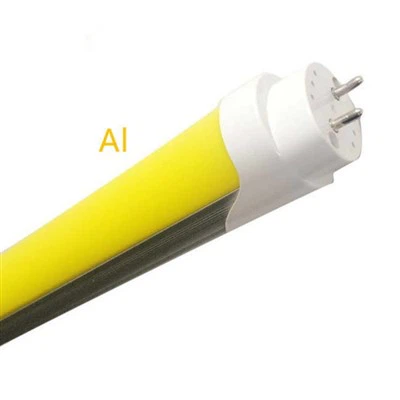
One may call the longevity of integrated LED lights a modern technological marvel. It's evidence of how far we've gone in realising that long-lasting, sustainable lighting solutions are necessary to safeguard the environment and enhance our health and well-being.
Light Emitting Diodes is what LED stands for. An embedded LED is a tiny chip-sized electronic circuit that, when current passes through it, creates light. Although the first LEDs were created in the 1960s, they have undergone substantial development since then to become incredibly bright, long-lasting, and efficient.
So what is the lifespan of embedded LEDs? The quality of the LED and how well it is made and installed will determine these factors. In general, the lifespan of an integrated LED light is between 50,000 and 100,000 hours, or five to ten years under constant use. Compared to traditional lighting systems, which have shorter lifespans and need to be replaced more frequently, this is far superior.
The fact that LED lights do not burn out is the primary factor in their extended lifespan compared to conventional incandescent or fluorescent lights. Over time, they progressively lose their brightness, but this is a very slow process that is hardly perceptible. Additionally, compared to other lighting technologies, LED lights produce less heat, which lowers the possibility of thermal stress-related damage.
Even though integrated LED lighting has a greater initial installation cost, one of its biggest advantages is that it offers substantial long-term cost savings. LED lights require up to 90% less electricity to produce the same amount of light as traditional lights, making them far more energy-efficient. When LED lighting is used in homes and workplaces, this results in lower energy bills and a decrease in carbon emissions that fuel global warming.
1. Increased robustness – LED lights are more resilient and less likely to shatter from shocks, vibrations, or other physical impacts.
2. Greater adaptability – LED lights are appropriate for a range of lighting applications since they are available in an extensive array of forms, sizes, and colours.
3. Better light quality: Compared to traditional lights, LED lights create a brighter, more natural, and clearer light that enhances mood and visibility.
4. Less maintenance - Since LED lights last longer, there's less need for replacement and maintenance, which saves money and effort.
Conclusively, integrated LED lighting exhibits an impressive lifespan, offering users a dependable, enduring, and energy-efficient lighting solution that can enhance their well-being, reduce their expenses, and safeguard the environment. We can anticipate an even brighter future with integrated LED light as we continue to develop new technologies to improve the efficiency and performance of LED lighting.